


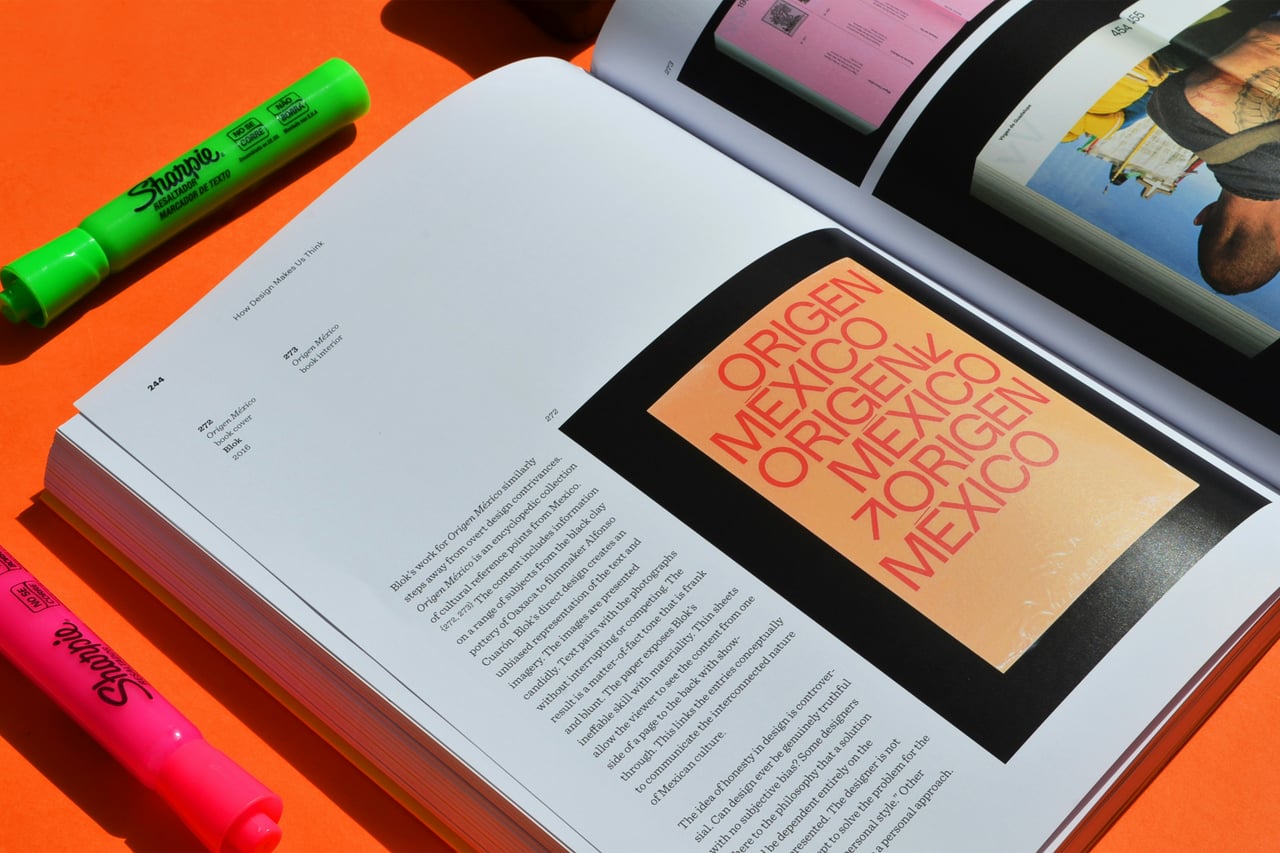
Readers make judgments about care, clarity and confidence very early on. The job of good editorial design is to encourage engagement, give the content integrity and confidence, and carry the value of the brand with it. This can come down to the use of layout elements such as headlines and standfirsts, crossheads, pullquotes and boxouts; or it can be how balanced the columns of copy are, where they break, and the use of whitespace. While these may all seem like purely aesthetic choices, they are decisions that fundamentally impact how well the content is received.
Despite that, we still very often see B2B brands write content first, then only think about design later. Intros and boxouts can be styled by a designer, but they can’t be created from nothing. That means we see a lot of copy that feels more like a blog post or Word doc, where little thought has been given to exactly how it will translate to a designed page. This leaves it to a designer to fix something that needed fixing at the copy stage. That lack of planning can create a layout that not only confuses the reader with inconsistent page elements and signposting, but also negatively impacts the integrity of the article and the brand.
Design for engagement
Because many whitepapers are created content-first, it’s often left to images to do a lot of the heavy lifting in visually pacing the layout. Boxouts and pullquotes are also a great way to break up the copy while adding additional value. For boxouts, there are often ideas or pertinent points that can be pulled out as points of particular interest. This not only helps create a change in the visual rhythm of the layout, breaking up Word-doc-like repetition and reducing reading fatigue, but also communicates to the reader that there’s additional value in the article.
Reading feels more comfortable when the layout creates consistent expectations. Good design then knows how to deliberately break those rhythms to create interest.
Codify the approach
Editorial templates have a huge amount of value; not only do they speed up the process of producing layouts, but they also mean the brand can be locked into its exact expression, from paragraph styles and boxouts to the column grids themselves. This doesn’t mean creating the same layout every time. InDesign has a huge number of tools available, from baseline setup and multiple master page layouts to nested styles and automatic formatting. Create enough layouts to allow for variation while baking consistency into the layouts, and in turn, the brand.
Write like a designer
If there’s an intro for one section, unless there’s a logical reason otherwise, the rest of the sections should have them too, and at consistent lengths. This isn’t a case of laying down an arbitrary law; reading feels more comfortable when the layout creates consistent expectations. Good design then knows how to deliberately break those rhythms to create interest. Inconsistency simply reduces trust. Good designers will make the most of the copy, but it’s the job of the copywriter to bring design thinking to the way they write.
When layout decisions are made early, design becomes part of the editorial thinking. The structure, hierarchy and visual system all support the same purpose: helping the reader understand why the subject matters and what to do with it.
Need help with editorial design?
